· Apparel Care · 13 min read
How To Clean Fitted Caps
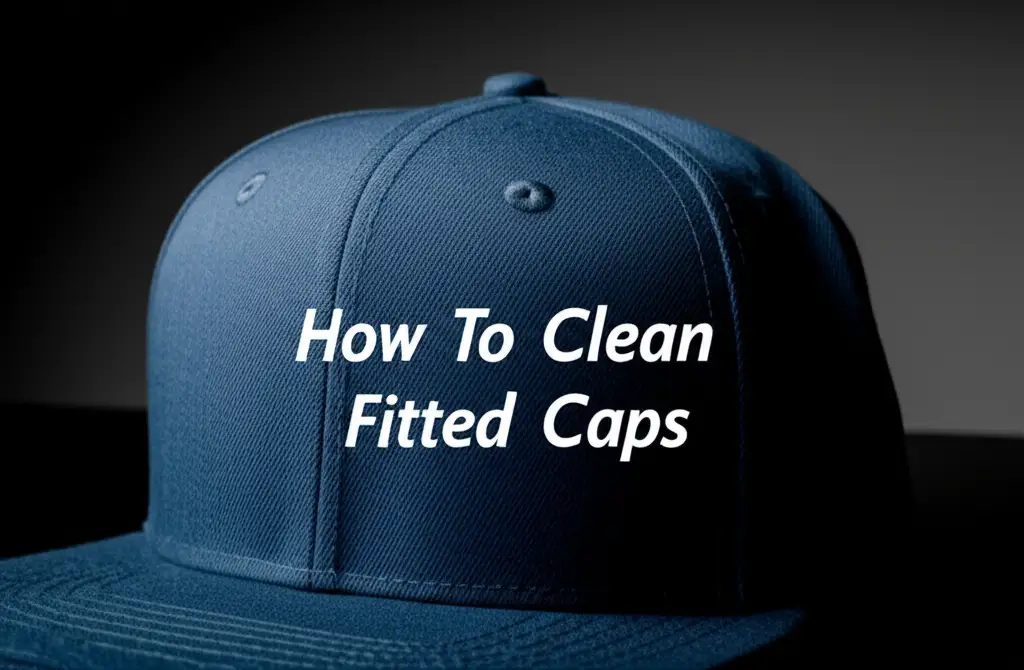
How To Clean Fitted Caps: Keep Your Hat Pristine
Your favorite fitted cap is more than just an accessory. It is a part of your style. Over time, sweat, dirt, and daily wear take a toll on its look. Cleaning your fitted cap properly helps it last longer. It also keeps your cap looking new. This guide helps you clean fitted caps safely. We will cover hand washing, spot cleaning, and even machine washing tips.
We want to help you maintain your caps. You can preserve their shape and vibrant colors. Follow our simple steps for a fresh-looking hat. I will share methods to tackle common issues like sweat stains. You will learn how to dry your cap to keep its form. Keep reading to bring your favorite fitted caps back to life.
Takeaway
- Identify your cap’s material before cleaning.
- Hand washing is the safest cleaning method for most fitted caps.
- Spot clean small stains with mild soap and a soft brush.
- Use a cap cage if machine washing is necessary.
- Always air dry fitted caps to maintain their shape.
How to clean fitted caps: Identify the material, then choose hand washing for most caps. Spot clean small areas. For a deeper clean, gently hand wash with mild soap and cool water. Air dry using a cap shaper or on a clean surface.
Understanding Your Fitted Cap: Materials and Construction
Before you start to clean fitted caps, know what your cap is made from. Different materials need different care. This step prevents damage during cleaning. Cotton, wool, polyester, and blends are common cap materials. Each fabric reacts uniquely to water and cleaning agents.
Cotton caps are durable. They can handle gentle washing. Wool caps need special care; they can shrink easily. Polyester caps resist water and stains well. They are generally easy to clean. Blended fabrics combine properties of their components. Always check the care tag if your cap has one.
The cap’s construction matters too. Fitted caps have a structured brim. This brim often contains cardboard or plastic. Cardboard brims can warp or dissolve in water. Plastic brims are more water-resistant. Most modern fitted caps have plastic brims. This makes them easier to clean. The crown of the cap also has stiffeners. These give the cap its shape. Protect these parts during cleaning.
Knowing your cap’s material and construction helps you choose the right cleaning method. It ensures you do not accidentally damage your prized possession. My own experience tells me this step is crucial for success. Taking a moment to check saves you from potential regret. This knowledge empowers you to clean fitted caps confidently.
Essential Preparations Before You Clean Fitted Caps
Proper preparation saves you time and prevents damage. This step is vital before you start to clean fitted caps. First, remove any loose dirt or dust. Use a soft brush or a lint roller for this. Brush gently to avoid pushing dirt deeper into the fabric. Pay attention to the cap’s surface and brim.
Next, check for specific stains. Common stains include sweat, oil, and general grime. Identifying the stain helps you choose the right treatment. Sweat stains are often yellow or white. They appear on the sweatband and brim. Oil stains look darker and feel greasy. Use a mild stain remover if needed. Always spot test any cleaning solution. Apply a small amount to an unseen area. The inside of the sweatband is a good spot. Wait a few minutes to see if the color fades or changes.
Gather your cleaning supplies. You will need a clean basin or sink. A soft-bristle brush, like a toothbrush, is useful. You also need mild soap or detergent. Choose a color-safe, gentle formula. Baby shampoo or a wool-safe detergent works well. Avoid harsh chemicals like bleach. Bleach can damage fabric and color. Have clean towels ready for drying. Preparing everything beforehand makes the cleaning process smooth. This careful planning ensures the best results when you clean fitted caps.
Gentle Hand Washing: The Safest Way to Clean Fitted Caps
Hand washing is the best method to clean fitted caps. It provides control and prevents damage. This approach is gentle on delicate materials. It also helps preserve the cap’s shape. I find hand washing gives the best results for my favorite caps.
First, fill a clean basin or sink with cool water. Hot water can shrink or warp the cap. Add a small amount of mild detergent to the water. Mix it until suds form. Avoid using too much soap. Too much soap can leave residue on your cap.
Submerge your cap in the soapy water. Let it soak for about 10-15 minutes. This helps loosen dirt and sweat. Do not twist or wring the cap. Gently press it into the water to ensure saturation.
After soaking, use a soft brush or a clean cloth. Gently scrub the cap’s surface. Focus on stained areas like the sweatband and brim. For sweat stains, you can make a paste of baking soda and water. Apply this paste to the stain. Let it sit for a few minutes. Then, gently scrub it away. If your cap has any signs of mold, act quickly. You might find some useful tips on how to clean mold off shoes, as the principles of fabric care for mold can be similar for caps.
Rinse the cap thoroughly with cool, clean water. Hold it under running water until all soap is gone. Squeeze excess water out gently. Do not wring or twist. Press the cap between two clean towels. This removes more water without distorting the shape. Your cap is now clean and ready for drying. This gentle process keeps your fitted caps in top condition.
Addressing Stubborn Stains and Sweatbands
Stubborn stains need focused attention when you clean fitted caps. Sweat stains are very common on fitted caps. They appear as yellow or white lines on the sweatband and brim. These stains are from sweat and body oils. Treating them early is key to removal.
For sweat stains, create a paste. Mix baking soda with a little water. Apply this paste directly onto the stain. Use a soft brush, like an old toothbrush, to gently work the paste into the fabric. Let the paste sit for 30 minutes to an hour. Baking soda helps break down the oils and neutralize odors. Then, rinse the area with cool water. Repeat if necessary. For deeper stains, you might consider a mixture of white vinegar and water (1 part vinegar to 4 parts water). Vinegar is good for dissolving mineral deposits from sweat. Be cautious with colored caps, and always spot test first.
Grease or oil stains also appear on caps. For these, try a small amount of dish soap. Dish soap is designed to cut through grease. Apply a tiny drop directly to the stain. Gently rub it with your finger or a soft cloth. Let it sit for a few minutes. Then, rinse with cool water. Make sure all soap residue is gone.
For any mold growth on your cap, act quickly. Mold can be harmful to fabrics and your health. If you see mold, a solution of white vinegar can be effective. You can learn more about how to clean mold with vinegar, as this method is often safe for fabrics. Apply a diluted vinegar solution (1:1 with water) to the moldy area. Let it sit for 10-15 minutes. Then, gently scrub with a soft brush and rinse well. Ensure the cap dries completely to prevent mold from returning. If the brim has plastic components, similar principles apply to how to clean mold off plastic. These specific treatments help your cap look its best.
Machine Washing Fitted Caps: When and How
Machine washing fitted caps is generally not recommended. It can damage the cap’s shape and material. However, if hand washing is not enough, or if your cap is very dirty, machine washing is possible with precautions. Only machine wash caps with a plastic brim. Never machine wash caps with a cardboard brim. The cardboard will dissolve.
To machine wash safely, use a cap cage. A cap cage is a plastic frame. It holds the cap’s shape during the wash cycle. Place your cap securely inside the cage. This protective shell is vital for maintaining the cap’s form. Without it, the cap can warp or crease.
Use a gentle cycle on your washing machine. Select cold water. Cold water prevents shrinking and color fading. Add a small amount of mild detergent. Choose a detergent free of harsh chemicals or bleach. A color-safe detergent is best. Do not use fabric softener. Fabric softener can leave residue.
Wash the cap with a small load of similar items. For example, wash it with towels or other durable laundry. This helps balance the load. Avoid washing it with heavy items like jeans. Heavy items can crush the cap cage.
Remove the cap immediately after the cycle finishes. Do not put it in the dryer. The heat from a dryer will definitely shrink and warp your cap. Machine washing is a riskier method. I only use it as a last resort for my most robust caps. Always prioritize hand washing for longevity and best results.
Drying and Reshaping Your Cleaned Cap
Proper drying is crucial for keeping your fitted cap’s shape. After cleaning, never put your fitted cap in a clothes dryer. High heat will shrink the cap. It will also damage the brim and internal structure. Air drying is the only safe method.
First, gently squeeze out excess water from the cap. Do not wring or twist it. You can press the cap between clean, dry towels. This absorbs more moisture. The less water in the cap, the faster it dries.
To maintain the cap’s shape, place it on a suitable form. A cap shaper or a plastic cap mold works well. If you do not have one, you can use a clean, dry, upside-down bowl. A balloon inflated inside the cap also works. Make sure the form fits snugly inside the cap. This helps the cap dry in its original shape. Some people use a clean, rolled-up towel placed inside the cap. This provides support.
Find a well-ventilated area for drying. Place the cap away from direct sunlight. Direct sunlight can fade colors. It can also warp the brim. Air circulation helps the cap dry evenly and quickly. A fan can speed up the drying process. Turn the cap occasionally to ensure all sides dry.
Drying time depends on humidity and cap material. It can take 24 to 48 hours for a cap to dry completely. Ensure the cap is completely dry before wearing or storing it. A damp cap can develop mildew or odors. Patience during this step pays off. It helps your cap retain its pristine condition.
Preventative Care: Keeping Your Fitted Caps Cleaner for Longer
Keeping your fitted caps clean involves more than just washing. Preventative care significantly extends their life. It reduces the frequency of deep cleaning. I always take steps to protect my caps. This keeps them looking new.
First, handle your caps with clean hands. Oils and dirt from your hands can transfer to the fabric. This causes stains over time. Try to hold the cap by the brim or the sides. Avoid touching the crown or sweatband directly.
Store your caps properly. Do not just toss them in a pile. This can deform their shape. Use cap racks, hat boxes, or shelves. Store them in a cool, dry place. Avoid storing them in direct sunlight. Sunlight can fade colors over time. Keep them away from humid areas to prevent mold growth. Moisture encourages mold.
Consider using a cap protector spray. These sprays create a barrier on the fabric. They repel water and resist stains. Apply the spray according to the product instructions. Always spot test on an inconspicuous area first. This ensures the spray does not discolor your cap. These sprays can be very effective.
Clean sweatbands regularly. Even if you do not wash the whole cap, wipe the sweatband. Use a damp cloth with a little mild soap. Sweatbands absorb a lot of sweat and oil. Regular wiping prevents major buildup. This reduces deep set stains. You can also use hat liners. These thin, absorbent strips stick to the inside of the sweatband. They soak up sweat. You can replace them easily. This keeps the actual sweatband cleaner.
Rotate your caps. Do not wear the same cap every day. Allowing caps to air out between wears helps reduce odor and moisture buildup. These simple habits keep your fitted caps looking fresh.
FAQ Section
Q1: Can I put a fitted cap in the washing machine without a cage? A1: No, it is not recommended. Putting a fitted cap directly into a washing machine without a cap cage will almost certainly ruin its shape. The machine’s agitation can bend the brim, crease the crown, and cause irreversible damage. Always use a cap cage for protection if you choose machine washing. Hand washing is safer.
Q2: How do you remove sweat stains from the brim of a fitted cap? A2: To remove sweat stains, mix baking soda with water to form a paste. Apply this paste directly onto the stain on the brim. Gently scrub it with a soft brush, like a toothbrush. Let it sit for 30 minutes, then rinse with cool water. Repeat the process if needed for stubborn stains.
Q3: How often should I clean my fitted caps? A3: The cleaning frequency depends on how often you wear your cap and how much you sweat. For daily wear, cleaning every few weeks or once a month is a good idea. If you wear it occasionally, every few months might be enough. Spot clean small messes immediately.
Q4: What cleaning solutions are safe for fitted caps? A4: Mild solutions are best. Use baby shampoo, a gentle laundry detergent, or a specialty cap cleaner. For specific stains, baking soda paste, a diluted white vinegar solution, or a small drop of dish soap can work. Always avoid bleach or harsh chemicals. These can damage the fabric or fade colors.
Q5: How do I dry a fitted cap without losing its shape? A5: Air dry your fitted cap on a shaper. Place it on a plastic cap mold, a clean upside-down bowl, or a small inflated balloon. This helps the cap maintain its original shape as it dries. Avoid direct sunlight and do not use a clothes dryer, as heat will cause shrinking and warping.
Conclusion
Cleaning your fitted caps properly extends their life. It keeps them looking fresh and sharp. We covered the best ways to care for your favorite headwear. Remember to check the material first. Hand washing is often the safest method. It gives you control over the process. Spot treat stubborn stains. Use mild cleaning agents. Avoid harsh chemicals.
Always air dry your caps. Use a shaper to maintain their form. Never put them in a dryer. Taking preventative steps helps too. Store your caps correctly. Clean sweatbands often. These simple habits make a big difference. Caring for your fitted caps is easy. You can enjoy your caps for many years to come. Start cleaning your fitted caps today. Give your favorite hats the care they deserve.
- fitted cap cleaning
- hat care
- sweat stain removal
- baseball cap washing
- headwear maintenance