· Home Cleaning · 18 min read
How To Clean Floor Grout Without Scrubbing

Effortless Grout Cleaning: How To Clean Floor Grout Without Scrubbing
Grimy grout lines can make your entire floor look dull. We all want sparkling tiles, but the thought of scrubbing on hands and knees is exhausting. What if I told you there are powerful ways to clean floor grout without scrubbing? Yes, it is true. This guide explores innovative techniques and simple hacks that let you restore your grout’s shine with minimal effort. You can achieve amazing results, save time, and protect your back. Get ready to transform your floors and enjoy a cleaner home.
Takeaway:
- You can clean floor grout effectively without scrubbing.
- Various methods exist, from natural solutions to specialized cleaners.
- Proper preparation and application are key for success.
- Prevention helps keep grout cleaner longer.
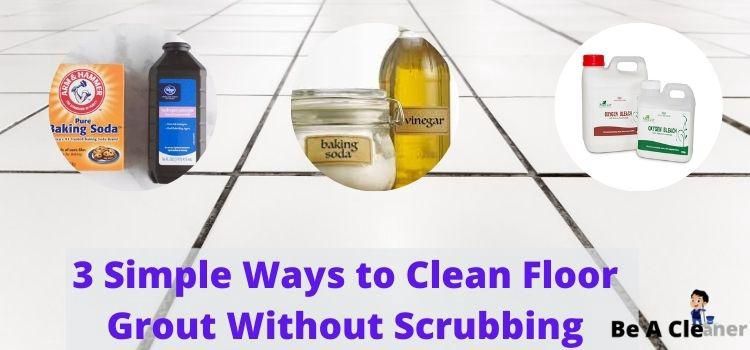
Cleaning floor grout without scrubbing involves using chemical reactions or high-pressure tools. You apply a suitable cleaning agent, such as oxygen bleach, hydrogen peroxide with baking soda, or a steam cleaner. These methods break down dirt and grime, allowing you to wipe it away easily. This approach saves time and effort, making grout cleaning less of a chore.
Understanding Your Grout’s Condition and Type
Before you clean, you must understand your grout. Grout comes in different types. Each type needs a specific approach. Knowing your grout prevents damage and helps you clean it well.
Standard cement grout is porous. It absorbs dirt and stains easily. This makes it challenging to keep clean over time. Epoxy grout, on the other hand, is non-porous. It resists stains much better. Understanding this difference helps you pick the right cleaning method.
Also, look at how dirty your grout is. Is it light discoloration, or are there deep, set-in stains? Black grout usually means deep grime build-up. For heavily soiled grout, stronger methods may be necessary. If you have grout that has turned black, you might need a very strong approach. This helps you choose the best cleaning agent for your specific needs. Understanding your grout’s condition prevents wasted effort. You can read more about how to clean grout that has turned black to get your grout back to its original condition.
Consider the tile material too. Some natural stones are sensitive to harsh chemicals. Acids, for example, can etch marble or travertine. Always test your cleaning solution in a small, hidden area first. This step prevents damage to your beautiful floors. It ensures your cleaning method is safe for both grout and tiles.
Knowing your grout and tile helps you clean safely and effectively. It leads to better results. This initial check saves you time and possible repair costs. Always be prepared before you start any cleaning project.
The Power of Hydrogen Peroxide and Baking Soda
Hydrogen peroxide and baking soda create a powerful cleaning paste. This combination is effective for many types of stains. It offers a gentle yet strong cleaning action. Many people use this mix because it is safe for most surfaces. It is a popular choice for cleaning tasks around the house.
First, mix baking soda with hydrogen peroxide. Use a ratio that forms a thick paste. The paste should be like toothpaste. Apply this paste directly onto the grout lines. You do not need to scrub it in. Just spread a good layer over the dirty areas.
Let the paste sit on the grout for a while. The longer it sits, the better it works. I often leave it for 10 to 15 minutes. For very stubborn stains, you can leave it for up to an hour. The hydrogen peroxide breaks down grime and lifts stains. The baking soda provides a mild abrasive action and helps absorb odors.
After letting it sit, wipe away the paste. Use a damp cloth or a mop. You will see the dirt lift easily with the paste. This method removes grime without hard scrubbing. It is amazing how well it works. I have used this on my own floors with great success. This method is also safe for many types of tiles. You can also use this combination to clean your shower. Knowing how to clean your shower with baking soda is a great way to keep your bathroom sparkling.
This natural solution is a fantastic option. It is non-toxic and widely available. You likely have both ingredients in your home right now. This makes it an accessible and affordable way to keep your grout clean. It is my go-to for regular maintenance cleaning. For more general cleaning ideas, you might find more tips on how to clean with vinegar and baking soda.
Harnessing Oxygen Bleach for Deep Cleaning
Oxygen bleach is a fantastic alternative to chlorine bleach. It uses oxygen bubbles to lift dirt and stains. It is color-safe, unlike traditional bleach. This means it is safe for colored grout and fabrics. It is a powerful cleaner that requires little effort.
To use oxygen bleach, first mix it with warm water. Follow the package directions for the correct ratio. The solution will activate the oxygen-releasing compounds. It is important to use warm water to help this process. A general rule is about two tablespoons per gallon of water.
Pour or spray the oxygen bleach solution directly onto your grout lines. Make sure the grout is fully wet. Let the solution soak into the grout. This is where the magic happens. The oxygen bubbles get to work, breaking down dirt. For light dirt, 15-30 minutes is enough. For heavy stains, leave it for several hours, or even overnight.
During this time, the oxygen bleach penetrates the porous grout. It lifts embedded dirt and mildew. You will notice the grime starts to loosen. After the soaking time, simply wipe away the solution with a damp mop or cloth. You may need to rinse the area with clean water afterwards. This ensures no residue is left behind.
Oxygen bleach is perfect for deep cleaning. It brightens grout without any scrubbing effort. I find it especially useful for large areas. It covers ground quickly and effectively. Always ensure good ventilation when using any cleaning product. This method is one of the best for truly hands-off grout cleaning.
Steam Cleaning: A High-Pressure, Low-Effort Solution
Steam cleaning is a highly effective way to clean grout. It uses hot steam to lift dirt and grime. No chemicals are needed with a steam cleaner. This makes it an eco-friendly cleaning option. The high temperature also sanitizes surfaces.
To use a steam cleaner, first fill its reservoir with water. Turn it on and wait for the water to heat up. Most models have an indicator light when ready. Attach the brush or nozzle accessory designed for grout. These attachments direct the steam precisely onto the grout lines.
Move the steam cleaner slowly along the grout lines. Hold the nozzle close to the grout. The hot steam blasts away dirt and loosens grime. You will see dirt dissolving right before your eyes. Work in small sections to ensure thorough cleaning. The steam reaches into the porous surface of the grout. It dislodges even old, set-in dirt.
After steaming a section, wipe it clean. Use a microfiber cloth or a clean mop. The loosened dirt comes off easily. You will be amazed at the clean results. The high heat of the steam kills bacteria and mold. This not only cleans but also sanitizes your floors.
Steam cleaning is a low-effort method. It truly requires no scrubbing. It is safe for most sealed tile and grout. However, avoid using steam on unsealed natural stone. The moisture can harm some stone types. Always check your tile and grout type before steaming. This method is a game-changer for large areas of tiled floors. It makes cleaning floor grout easy and efficient.
Using Commercial No-Scrub Grout Cleaners
Many commercial products promise to clean grout without scrubbing. These products contain powerful formulas. They often use acids, enzymes, or strong detergents. These ingredients break down dirt and stains effectively. It is important to choose the right one for your grout type.
Before using any commercial cleaner, always read the label. Some cleaners are acidic. These are great for soap scum and hard water stains. However, acidic cleaners can damage natural stone or unsealed grout. Other cleaners are alkaline, good for grease and general dirt. Make sure the product is safe for your specific floor type. This prevents accidental damage.
To apply, usually you spray the cleaner onto the grout. Let it sit for the recommended time. This time allows the chemicals to work. Do not let the cleaner dry on the grout. If it starts to dry, reapply a bit more. Some cleaners may foam up. This shows they are actively working to lift the dirt.
After the waiting period, simply wipe away the cleaner. Use a damp cloth or mop. You might need to rinse the area thoroughly with clean water. This removes all chemical residues. Always ensure good ventilation when using these products. Wear gloves to protect your hands.
Commercial no-scrub cleaners offer a fast solution. They are designed for convenience. I have found them effective for tough stains when other methods fall short. They can quickly restore your grout’s appearance. Remember to test a small, hidden area first. This ensures compatibility with your floor. These products can be a lifesaver for busy individuals. This is a very good method for how to clean tile grout on floors effectively.
Enzymatic Cleaners: Tackling Organic Stains Effortlessly
Enzymatic cleaners are specialized products. They use enzymes to break down organic matter. These cleaners are perfect for stains from food, pet accidents, or mold. They work by consuming the stain. This makes them very effective and gentle on surfaces.
Unlike harsh chemicals, enzymatic cleaners are usually non-toxic. They are safe for homes with children and pets. This makes them a good choice for regular use. They work by targeting specific types of stains. The enzymes eat away at the dirt. This leaves your grout clean without scrubbing.
To use an enzymatic cleaner, apply it directly to the stained grout. The product usually comes in a spray bottle. Ensure the grout is thoroughly wet with the solution. Do not wipe it off immediately. These cleaners need time to work their magic. Follow the manufacturer’s instructions for dwell time. It can range from 15 minutes to several hours. For old, deep stains, you might need to reapply or let it sit overnight.
The enzymes continue to work as long as the surface stays moist. If it starts to dry, mist it with a little water or reapply the cleaner. After the recommended time, simply wipe the area clean. Use a damp cloth or mop. There is no need for scrubbing. The enzymes have broken down the stain, making it easy to remove.
Enzymatic cleaners are excellent for odors too. They eliminate the source of the smell by breaking down organic residues. This is a big plus for pet stains. I recommend them for any home dealing with organic discoloration on grout. They offer a gentle, yet powerful, no-scrub solution. This type of cleaner is effective for cleaning floor grout.
Preventative Measures for Lasting Grout Cleanliness
Cleaning grout without scrubbing is great, but preventing it from getting dirty is even better. Regular maintenance can significantly reduce how often you need deep cleaning. It saves you time and effort in the long run. Small habits make a big difference for your floor.
First, wipe up spills immediately. Grout is porous, especially cement grout. Liquids, especially colored ones, can quickly seep in and stain. Keep a cloth handy for quick clean-ups. This simple action prevents many common stains. It keeps your grout looking fresh for longer.
Regular sweeping and vacuuming help a lot. Dirt, dust, and debris accumulate on floors. If left, they get ground into the grout lines. This makes the grout look dirty faster. A daily sweep or vacuum can prevent this buildup. It stops dirt from settling into the grout.
Consider using a grout sealer. Sealing grout adds a protective barrier. This barrier makes the grout less porous. It helps repel dirt, spills, and moisture. This means stains cannot penetrate as easily. You will find that spills bead up on the surface, making them easier to wipe away. Reapply sealer every 1-2 years, or as recommended by the product. This helps maintain its protective properties.
Regular light cleaning is also key. Don’t wait until the grout is heavily stained. A weekly wipe-down with a mild floor cleaner can keep grime at bay. Use a pH-neutral cleaner safe for your tiles and grout. This prevents heavy build-up from happening.
Lastly, use doormats at all entrances. Doormats trap dirt and moisture from shoes. This prevents much of the outside grime from reaching your floor. This simple step reduces the amount of dirt tracked onto your tiles. These preventative measures keep your grout cleaner, reducing the need for aggressive cleaning.
The Magic of Peroxide-Based Grout Brighteners
Peroxide-based grout brighteners are specifically formulated to tackle discolored grout. These products leverage the power of oxygen bleach but in a more concentrated form. They aim to restore grout to its original bright color without any manual effort. These brighteners are often sold as gels, sprays, or foams.
When you apply a peroxide-based brightener, it releases oxygen bubbles. These bubbles penetrate the grout pores. They break down and lift away embedded dirt, mildew, and stains. The process is similar to how oxygen bleach works but often with a faster reaction time due to higher concentration. You will see it begin to fizz slightly, which is the product actively cleaning.
To use these brighteners, first ensure the area is free of loose debris. Apply the brightener directly to the grout lines. You can use a spray bottle or squeeze bottle, depending on the product’s packaging. Make sure to cover the grout completely. Avoid getting too much product on the tiles, especially if they are sensitive to chemicals.
Allow the product to sit on the grout for the time specified by the manufacturer. This usually ranges from 5 to 30 minutes. For heavily stained areas, some products suggest leaving it longer. During this time, the powerful peroxide solution works to dissolve the grime. You will notice the grout visibly lightening as it works.
After the dwell time, simply wipe away the product with a damp cloth or mop. A quick rinse with clean water is often recommended to remove all residue. The results are usually impressive, revealing much brighter, cleaner grout lines. These brighteners are excellent for maintaining a pristine look between deep cleans. They provide a truly no-scrub solution for brightening your grout.
Advanced No-Scrub Techniques for Stubborn Stains
Some grout stains are incredibly tough. They resist common no-scrub methods. For these challenges, you need a more advanced approach. These techniques still aim to avoid scrubbing but may use stronger agents or specific tools. They target deep-set discoloration.
One advanced technique involves poultices. A poultice is a paste that draws out stains. It mixes an absorbent material with a cleaning agent. For oil-based stains, you might mix baking soda with mineral spirits. For other stains, diatomaceous earth with hydrogen peroxide works well. Apply the thick paste directly onto the stain. Cover it with plastic wrap and tape the edges. Let it sit for 24-48 hours. The poultice slowly pulls the stain from the porous grout. After it dries, scrape off the paste. Wipe the area clean. This method is highly effective for deep, localized stains.
Another powerful option is a high-pressure washer, if used carefully. This is suitable only for outdoor tiled areas or very durable garage floors. A pressure washer can blast away years of grime from grout. Use a low-pressure setting and a wide nozzle. Keep the nozzle moving to avoid damaging the grout or tiles. Test a small area first. This method is incredibly fast for large, very dirty outdoor spaces. It truly requires no hands-on scrubbing.
For very specific mineral stains, such as rust or hard water buildup, targeted acid-based cleaners can work. However, these must be used with extreme caution. They are highly corrosive and can damage grout or tiles if misused. Always dilute as instructed, wear protective gear, and ensure excellent ventilation. Only use on non-acid-sensitive surfaces. These cleaners dissolve mineral deposits. Apply, let sit briefly, and rinse thoroughly. Always follow the product instructions precisely.
These advanced methods are for stubborn cases. They still align with the no-scrub philosophy. They offer powerful solutions when standard methods are not enough. Always prioritize safety and test in an inconspicuous area before full application.
Maintaining Your Grout’s Pristine Condition
Keeping your grout clean after the initial deep clean is simpler than you think. Regular maintenance prevents grime buildup. This means you do not have to perform heavy cleaning often. Consistent small efforts lead to lasting results.
Start with daily sweeping or vacuuming. This removes loose dirt and debris. When dirt sits on your floor, it eventually gets pressed into the grout lines. Removing it daily stops this from happening. A quick pass with a vacuum cleaner takes minimal effort. It makes a big difference in the long run.
Use a neutral pH cleaner for routine mopping. Harsh chemicals can break down grout sealers. They can also damage the grout itself over time. A mild, pH-balanced floor cleaner is gentle yet effective. Mix it with water according to package directions. Mop your floors regularly, perhaps once a week. This removes surface grime before it can embed.
Re-seal your grout periodically. Grout sealer wears off over time. For high-traffic areas, you might need to re-seal every year. For less used areas, every 2-3 years might be enough. A sealed grout line resists stains much better. Water and spills bead up on the surface, giving you time to wipe them away. This protective barrier is your best friend against future grime.
Address spills immediately. Grout is porous. If you let a spill sit, especially colored liquids, it will soak into the grout. Keep a paper towel or cloth handy. Wipe up any spills as soon as they happen. This quick action can prevent a permanent stain. It is one of the easiest ways to keep your grout looking good.
By combining these simple habits, you can extend the life of your clean grout. You avoid the need for intensive, back-breaking cleaning. A little effort often means a lot less effort later. Enjoy consistently clean floors with minimal fuss.
FAQ Section
Is it really possible to clean grout without scrubbing?
Yes, it is absolutely possible to clean grout without scrubbing. Many methods use chemical reactions, oxygen bubbles, or high-pressure steam to lift dirt. Products like hydrogen peroxide and baking soda, oxygen bleach, or specialized commercial cleaners break down grime. Steam cleaners use heat and pressure. These methods allow dirt to be wiped away easily, eliminating the need for manual scrubbing.
What is the best no-scrub grout cleaner?
The “best” no-scrub grout cleaner depends on the stain type and grout material. For general grime and light stains, a paste of hydrogen peroxide and baking soda is effective. For deep, widespread dirt, oxygen bleach or a steam cleaner works very well. Commercial peroxide-based brighteners are excellent for restoring color. Always check product compatibility with your specific grout and tile type.
Can I use bleach on grout without scrubbing?
You can use oxygen bleach on grout without scrubbing, as it relies on oxygen bubbles to lift dirt. However, traditional chlorine bleach is not recommended for general grout cleaning. While it whitens, it can damage porous grout over time and is not effective at truly cleaning out embedded dirt. Oxygen bleach is safer for grout and color-safe, making it a better no-scrub option.
How often should I clean my floor grout?
The frequency of cleaning depends on foot traffic and how quickly your grout gets dirty. For high-traffic areas, a light clean every 1-2 weeks is beneficial. A deeper, no-scrub clean might be needed every 1-3 months. For less used areas, every 3-6 months may suffice. Regular sweeping, immediate spill cleanup, and grout sealing can reduce the need for frequent deep cleaning.
Are there any risks to no-scrub methods?
Most no-scrub methods are low-risk if used correctly. However, some commercial cleaners can be harsh. Acidic cleaners may etch natural stone or unsealed grout. Always test a small, hidden area first to check for discoloration or damage. Ensure good ventilation when using any chemical cleaner. Read product labels carefully and wear protective gear. Steam cleaning should be avoided on unsealed natural stone.
What makes grout dirty in the first place?
Grout gets dirty because it is a porous material. It easily absorbs dirt, dust, spills, and moisture. Everyday foot traffic grinds dirt into the grout lines. Over time, this leads to discoloration and grime buildup. Mold and mildew can also grow in damp areas, making grout look black or discolored. Lack of regular cleaning and protective sealing contributes significantly to dirt accumulation.
Conclusion
Cleaning floor grout without scrubbing is not a myth; it is a reality. You now have several powerful, low-effort methods to choose from. From the simple effectiveness of hydrogen peroxide and baking soda to the deep cleaning power of oxygen bleach and steam, there is a solution for every level of grime. You can also rely on targeted commercial products and enzymatic cleaners for stubborn stains. These techniques save your back and time, making grout cleaning less of a chore.
Remember, prevention is key to maintaining sparkling grout. Regular sweeping, immediate spill cleanup, and consistent sealing will keep your grout cleaner for longer. By adopting these smart cleaning strategies, you will enjoy consistently beautiful floors without the dread of scrubbing. Go ahead, try these no-scrub methods. Experience the joy of effortlessly clean grout and a brighter home. Your floors (and your back) will thank you.
- grout cleaning
- no scrub methods
- floor maintenance
- easy cleaning
- deep cleaning
- tile cleaning